Frequently Asked Questions
Can you convert my wood-burning fireplace to gas?
In most cases, yes. If the firebox and chimney are structurally sound, we can install a gas log set using the existing chimney, or fit a gas insert with a new chimney liner for much better heating efficiency. We start by inspecting the fireplace’s condition — a deteriorating firebox or chimney may need masonry attention first, and we will tell you honestly if that is the case. Then we run the gas line, set the unit, and handle the venting. Call (512) 877-2533 and we will assess what you have.
Should I choose vented or vent-free gas logs?
We generally recommend vented for Leander homes. Vented units — log sets burning up an open chimney or sealed direct-vent units — give you a natural-looking flame with combustion byproducts exhausted outside and no indoor air quality questions. Vent-free units are more efficient at heating since no warmth escapes, but they add moisture to indoor air and carry run-time and room-size limits. For a fireplace you will actually live with, vented is the choice we stand behind.
Do I need a new gas line for a gas fireplace?
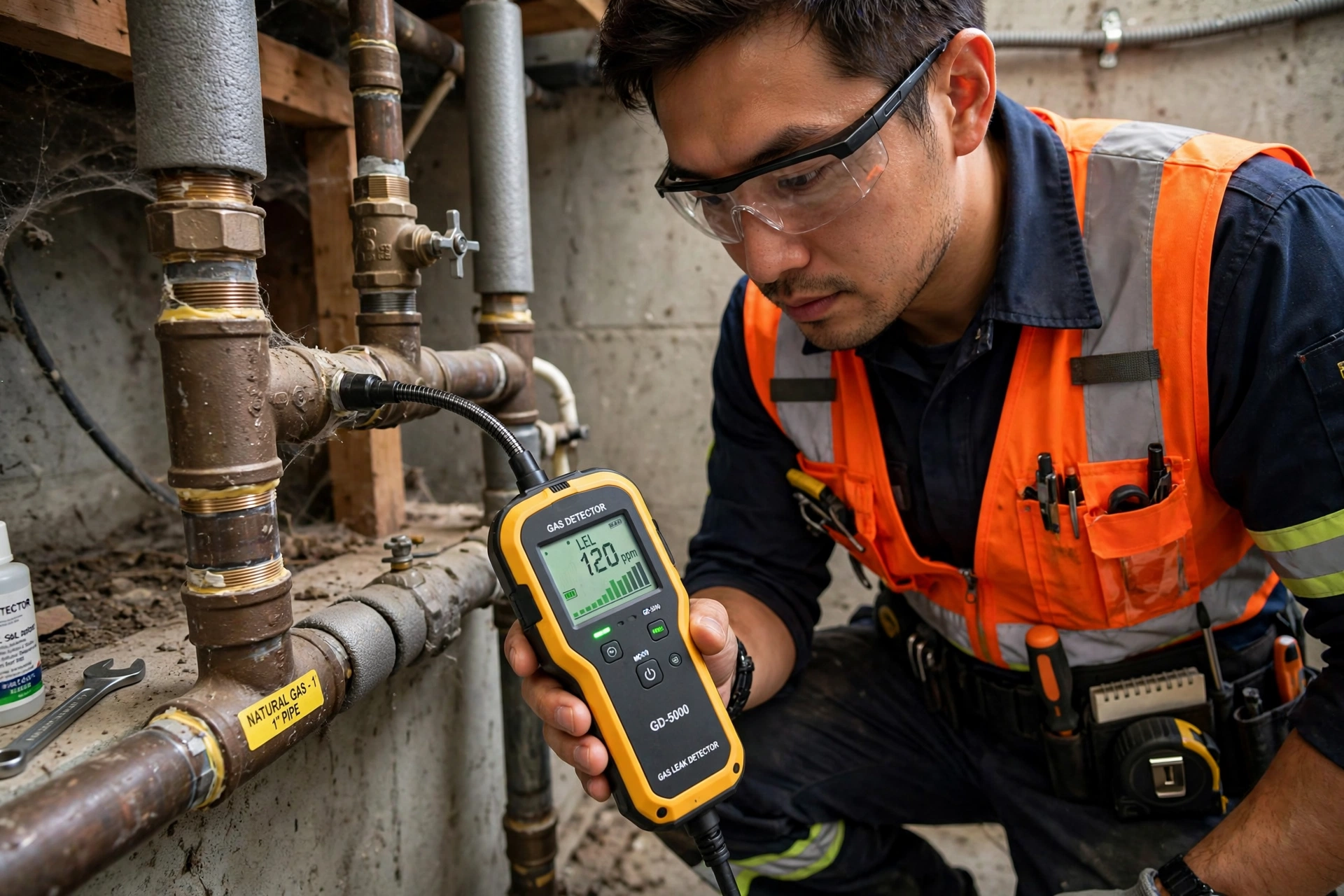
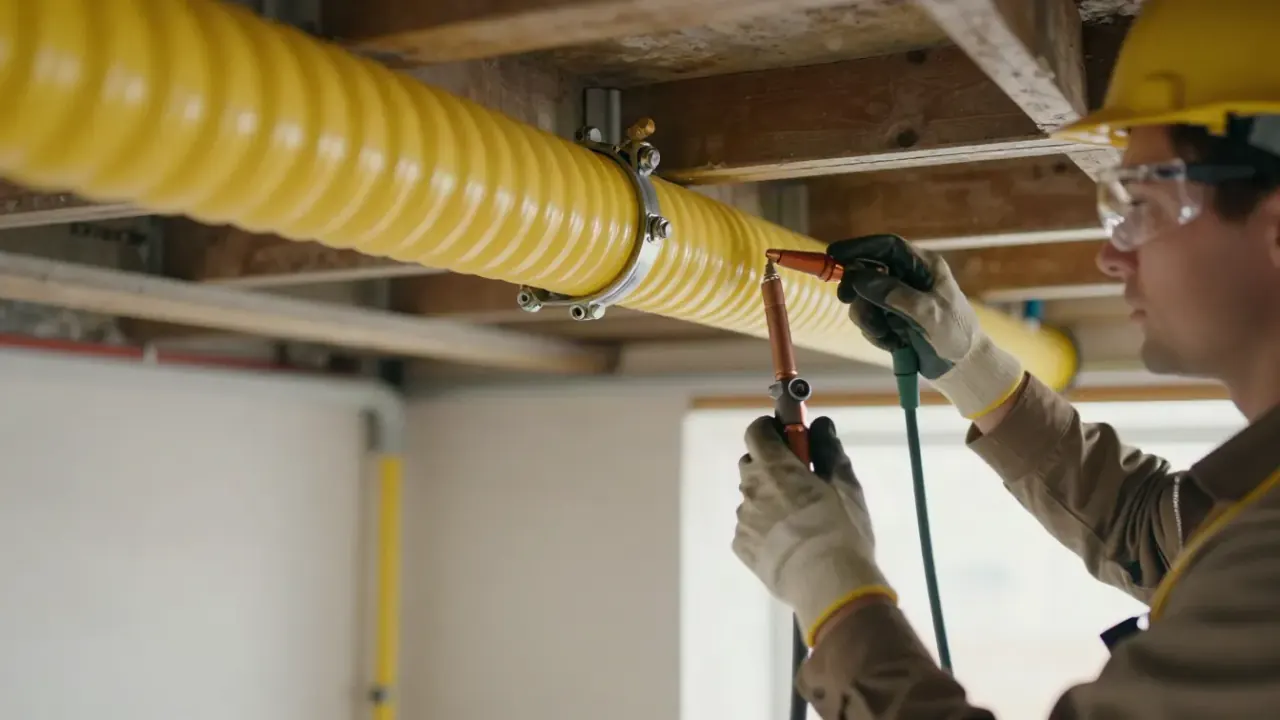
Often, yes — or at least an evaluation of the existing one. Fireplaces draw significant BTUs, and the old half-inch line that once fed a log lighter may not carry a modern insert’s full rating at its distance from the meter. We calculate the load over the measured run; if the existing piping is adequate, we use it — if not, we run a properly sized dedicated line with its own shutoff. Either way, the new piping is pressure tested before the unit is fired.
How long does a gas fireplace installation take?
A gas log set in an existing fireplace with gas already nearby can often be completed in a day. An insert conversion — with a new gas run and chimney liner — typically takes two to three days. A brand-new built-in unit with venting and framing is a larger project, usually the better part of a week including inspections. The permit timeline also factors in. Describe your project when you call (512) 877-2533 and we will give you a realistic schedule.
Will a gas fireplace actually heat my room?
It depends on the type. Open gas log sets are mostly ambiance — beautiful, but much of their heat goes up the chimney. A gas insert or direct-vent unit, on the other hand, is a genuine heater: sealed combustion, efficiency far above an open fireplace, and many models with thermostats or remotes. Plenty of our Leander customers heat their main living area with an insert on chilly evenings without running the furnace. Tell us your heating goal and we will match the unit to it.
What is the difference between a pilot light and electronic ignition?
A standing pilot burns a small flame continuously, so the fireplace lights instantly and — importantly — can still operate during a power outage. Electronic ignition lights the pilot only when you call for fire, saving the small amount of gas a standing pilot uses over a season, but most electronic systems need household power or battery backup to light. After the 2021 freeze, many Leander homeowners specifically ask about outage-proof operation — we will explain both options and help you choose.
Does a gas fireplace need maintenance?
Less than wood, but it is not zero. Annual attention keeps it safe and good-looking: cleaning the glass, checking the burner and logs or media placement, verifying ignition and safety controls, and inspecting the venting. Gas leaves no creosote like wood does, which is the big maintenance win — but the safety controls and venting still deserve a professional eye once a year. We can service the units we install.
Do I need a permit to install a gas fireplace in Leander?
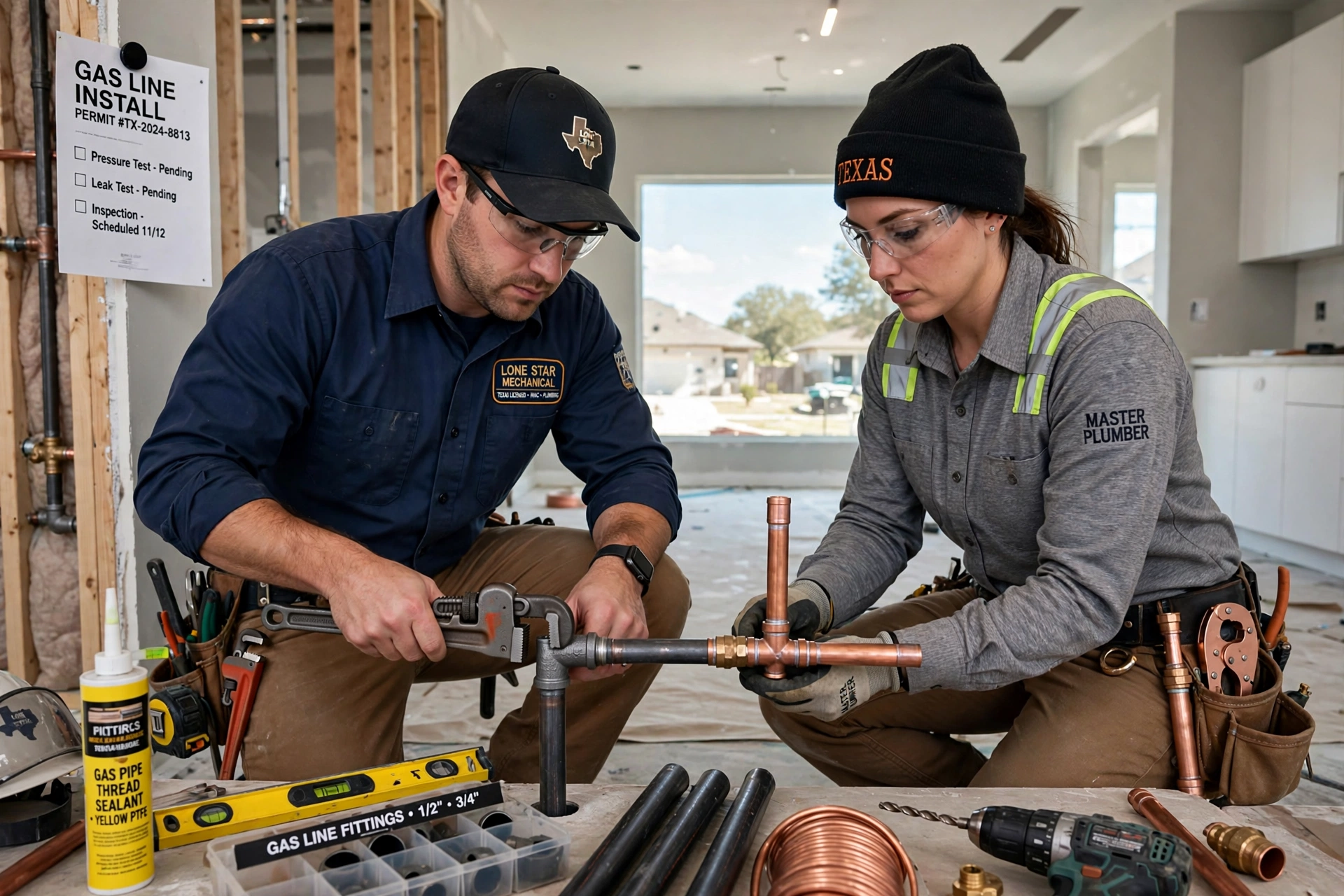
In most cases, yes — gas piping work and new fireplace installations typically require a city permit and inspection in Leander. We handle the permit side and schedule inspections at the right points: gas piping tested before concealment, and the finished installation verified. Permitted work protects you at resale and with insurance, and it is simply how the job should be done.