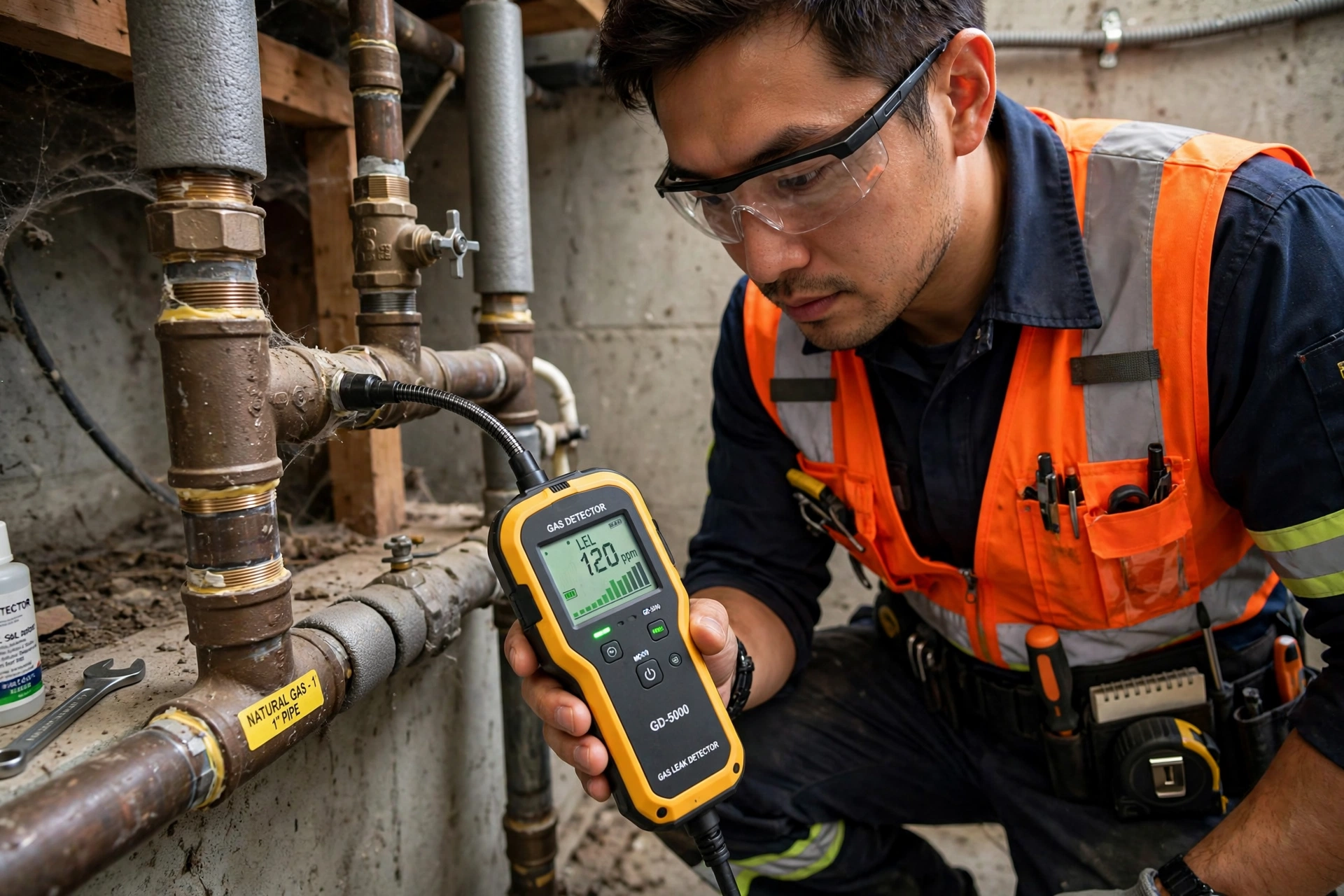
Thorough Inspections
We inspect what Jonestown actually has: exposed runs along rock faces, shallow-buried lines in rock trenches, corroded steel pipe in 1960s–80s lake houses, outdated valves, and the DIY-era fittings that predate modern codes.
Our gas line repair service in Jonestown includes full-system inspections, leak repairs, partial and full repipes, and code corrections — built for older lake houses with steel pipe and hillside homes with exposed and shallow-buried lines.
We inspect what Jonestown actually has: exposed runs along rock faces, shallow-buried lines in rock trenches, corroded steel pipe in 1960s–80s lake houses, outdated valves, and the DIY-era fittings that predate modern codes.
From a corroded buried service line to an erosion-damaged hillside run, we repair leaks with materials suited to rocky, shifting ground — then pressure-test the full system to confirm the fix holds.
Many Jonestown systems predate current codes by decades. We verify shutoff placement, supports, and bonding where CSST exists, and document pressure-test results so the work is ready to pass inspection.
Every job ends with a full-system pressure test and leak check — essential where old steel and exposed runs have been stressed by years of erosion and ground movement.
The older lake houses and cabins — many built from the 1960s through the 1980s — are where the pipe itself is the problem. Original steel gas lines are now decades past their prime: corroded sections, outdated valves that no longer seat properly, and threaded joints loosened by years of thermal cycling. Add the DIY era, when plenty of these cabins got owner-installed modifications that meet no recognizable code — unprotected fittings, missing shutoffs, lines routed through spaces no professional would choose. If your lake house has never had a gas system evaluation, that inspection is the single most useful step you can take.
Then there is the terrain. Jonestown’s lots are steep and rocky, and gas lines here often run exposed along rock faces or in shallow trenches cut into rock — installations that were expedient when the cabin went up and are now vulnerable to everything the hill does. Heavy rain erodes the thin soil, rock shifts, and exposed sections take the impact. Near the Lake Travis shoreline and around Jones Brothers Park, flood and erosion exposure adds another layer: ground that has been saturated and scoured moves differently afterward, and buried lines in those areas can be undermined or left partially exposed.
Newer hillside homes and renovated cabins bring a third pattern: the capacity problem. The original line was sized for a furnace and a water heater, not for the pool heater, outdoor kitchen, and fire features the renovation added. Undersized runs starve equipment and create pressure drops across the house. We correct these by calculating the real total load and upsizing the affected runs — and by re-routing or re-protecting any exposed hillside sections that erosion has been working on, so the fix lasts as long as the renovation does.
New gas line installation in Jonestown ranges from a valve upgrade in a 1970s lake house to a full repipe on a steep hillside lot, and every job starts with planning around the terrain: load calculation, pipe sizing, and a route that accounts for rock, slope, and erosion.
For homes, the most common installations are appliance additions and replacements in older houses. Adding a gas range, converting a water heater from electric to gas, or installing a gas dryer means a new branch line sized for the appliance plus the existing load — and in Jonestown it often also means replacing the outdated valve the old line depended on. We verify the meter and main line have capacity, run the new piping through the most practical route, install proper shutoffs and connectors, and pressure-test before the appliance goes into service.
Outdoor installations are big here — outdoor kitchens, fire pits, patio heaters, and pool equipment with lake views. Pool heaters deserve emphasis: a pool heater can demand more gas than the entire rest of the house combined, and it needs a dedicated large-diameter line. On hillside lots we route these runs with erosion in mind: proper depth where rock allows, protected and supported runs where the line must travel exposed, and tracer wire on anything buried.
For major renovations, repiping is often the smartest move. When walls are already open, replacing corroded steel with modern materials brings the whole system up to current code in one project — new shutoffs, proper supports, bonding where CSST is used, and documented pressure testing. Standby generators fit this category too: lake-area outages happen, and a generator needs a high, sustained gas draw that only a properly sized system can deliver.
A suspected gas leak requires immediate, calm action. If you smell the distinct rotten-egg odor strongly inside your home, leave the building right away. Do not flip light switches, do not use phones or electronics inside, and do not try to find the leak yourself. Call for emergency help from a safe distance outside.
For outdoor gas smells — near the meter, along a hillside line route, or around an exposed riser — keep clear of the area and call us. Do not dig or probe to find the source; on rocky lots, striking a shallow-buried line while investigating is one of the most dangerous things a homeowner can do.
Less urgent but still important: faint intermittent odors, unexplained increases in your gas bill, or dead vegetation tracing an underground line. These warrant professional leak detection — a systematic process, not guesswork. We pressure-test the system to confirm the leak, isolate it to a specific section, and pinpoint the exact location with electronic detection equipment, including the exposed and shallow-buried runs that are Jonestown’s specialty.
In Jonestown’s older lake houses, leak detection sometimes reveals issues in long-forgotten piping — a capped line from a removed appliance that was never properly sealed, or a joint in an inaccessible crawl space that has seeped for years. And after heavy rain or lake flooding, we check erosion-exposed sections specifically: ground that moved can stress a line that was fine before the storm. Finding these requires both equipment and experience with old hillside construction, and we bring both.
01
What we do: Contact us immediately for gas line repair in Jonestown. Our technicians will locate and fix the leak quickly.
→ This ensures your home is safe and eliminates the risk of gas exposure.
02
What we do: Our team will inspect the gas lines and connections to identify any issues affecting performance.
→ You'll enjoy improved efficiency and reliability from your gas appliances.
03
What we do: We provide gas line servicing in Jonestown to ensure safe and efficient installations.
→ This guarantees that your new appliances operate safely and effectively.
Gas line work in Jonestown means working in a small Lake Travis community in Travis County — steep, rocky hillside lots, older lake houses and cabins from the 1960s through the 1980s, and shoreline properties exposed to flood and erosion. Our team plans every job around those realities: corroded steel pipe and outdated valves in the older stock, exposed and shallow-buried lines on the hillsides, and flood-zone awareness near the water.
Jones Brothers Park Area
Homes around the park and shoreline with older service lines exposed to lake-level erosion and past flood events — we inspect, re-protect, and reroute where the water has been.
Lake Travis Shoreline
Waterfront and near-water properties where gas lines face erosion, shifting rock, and flood exposure. Exposed risers and undermined burials get proper support and protection.
FM 1431 Corridor / Downtown Jonestown
Older homes along the main corridor with legacy steel piping and DIY-era modifications — inspection, valve upgrades, and repipes that bring systems to current code.
Hillside Subdivisions
Steep-lot neighborhoods where lines run in shallow rock trenches or exposed along rock faces. We check for erosion damage, re-support exposed sections, and trench replacements through rock.
Steep rocky terrain
Lines often run exposed along rock faces or in shallow rock trenches, vulnerable to shifting rock, rockfall, and erosion during heavy rain. We re-support, shield, or reroute exposed sections.
Lake flood and erosion exposure
Near Lake Travis, flood events and shoreline erosion can undermine buried lines and expose risers. Post-storm inspections catch damage before it becomes a leak.
1960s–80s lake-house plumbing
Corroded steel pipe, outdated valves, and DIY-era fittings are the norm in older cabins. Targeted replacement or full repiping brings them up to code.
Thin soil, constant movement
A thin layer of soil over limestone moves with every rain cycle. Flexible modern materials and proper supports handle movement that rigid old steel cannot.
Our gas line repair services address common issues that can pose risks to your home and family.
Problem
Ignoring gas leaks can lead to dangerous situations, including explosions or health hazards from inhalation.
Our Fix
Our team quickly identifies and repairs leaks, ensuring your gas lines are safe and compliant with local regulations.
Problem
Faulty connections can lead to inefficient appliance operation and increased energy costs.
Our Fix
We repair and replace faulty connections, improving appliance efficiency and reducing energy bills.
Problem
Pressure drops can affect appliance performance, leading to inadequate heating or cooking.
Our Fix
We diagnose and fix pressure issues, ensuring your gas appliances operate at optimal levels.
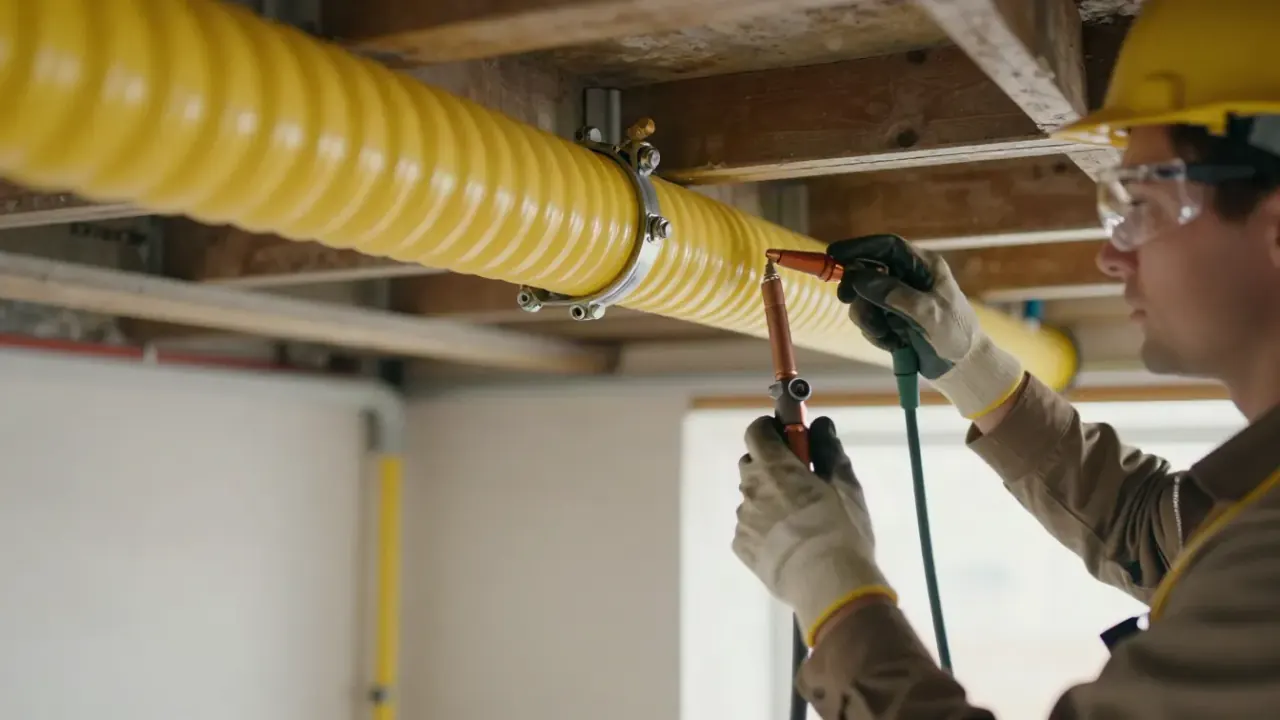
Investing in gas line repair offers numerous advantages that enhance safety and efficiency.
Enhanced Safety
Regular gas line repair significantly reduces the risk of dangerous gas leaks — and in Jonestown the risks are specific: corroded steel in older lake houses, erosion-exposed lines on steep lots, and DIY-era fittings that predate modern codes. By addressing potential issues early, homeowners can prevent hazardous situations and keep their families safe.
Increased Efficiency
Properly functioning gas lines improve the efficiency of your appliances. This can lead to lower energy bills and a more effective heating system, especially during the colder months in Jonestown.
Longer Lifespan
Timely gas line servicing in Jonestown can extend the lifespan of your gas appliances. By addressing wear and tear — from corroding steel pipe to erosion-stressed hillside runs — you ensure that your systems function optimally for years.
Compliance with Codes
Gas line repairs in Jonestown ensure compliance with the National Fuel Gas Code (NFGC) and local requirements — especially important for older lake houses whose systems predate modern codes by decades. Documented, code-compliant work is what passes inspection and keeps the home insurable.
Gas line repair costs in Jonestown typically range from $180 to $450 in 2026, depending on the complexity of the repair. Hillside access, rock trenching, and buried-line replacement sit at the higher end of the range, while accessible fitting and valve repairs sit at the lower end. Our transparent pricing ensures you know what to expect before we start any work.
Typical Investment Range
$180 - $450 depending on scope
Our pricing reflects the quality of service and materials used, ensuring long-lasting repairs.
What changes the price
Extent of Damage
More extensive damage requires more materials and labor, increasing costs.
Materials Used
The type of piping and fittings required can impact the overall repair cost.
Labor Intensity
Complex repairs that require more time and expertise will cost more.
Google ★★★★★4.9
Quick response and professional service! They fixed my gas leak within hours. Highly recommend!
Yelp ★★★★★4.8
Excellent service! The team was knowledgeable and friendly. They explained everything clearly.
BBB ★★★★★4.7
Very satisfied with the gas line repair. They were prompt and thorough in their work.
With local experience in gas line repair, our team is equipped with the necessary skills and certifications to handle any gas-related issue.
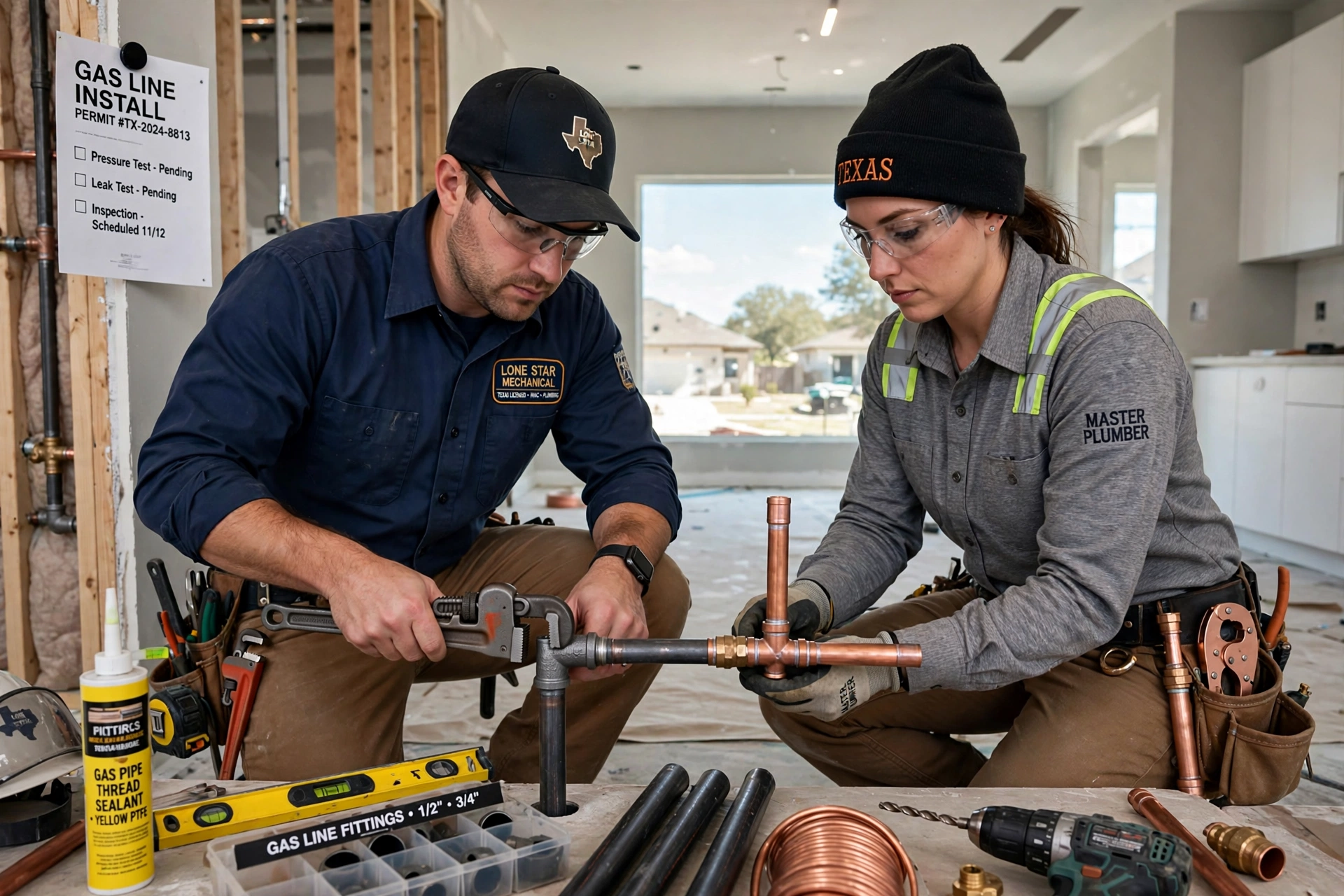
Real experiences from customers who chose our Gas Line Repair services.
“I had a gas leak in my home, and the team responded quickly. They were professional and resolved the issue within hours. Highly recommend!”
Sarah T.
Homeowner, Jonestown
“Their gas line repair service was excellent. They explained everything and worked efficiently. I felt safe knowing my gas lines were in good hands.”
Mark L.
Business Owner, Jonestown
“I appreciated their 24/7 emergency service. When I had a problem late at night, they were there within an hour. Great service!”
Emily R.
Resident, Jonestown
Four things drive the scope of a gas line job in Jonestown: the pipe’s age and material, access, the terrain, and permits. Original steel piping in a 1970s lake house takes more care to work with than modern materials, and obsolete fittings can be harder to source. Access is a major factor — a line running exposed along a hillside is easy to reach but may need re-supporting, while piping buried behind finished walls means slower, careful work. The terrain adds rock trenching and erosion-repair costs that flat suburbs never see. And major repairs, repipes, and new installations need permits and inspection. We evaluate every job in person and give you a written estimate before starting, with no obligation.
In most cases, yes — or at least plan for it. Steel gas lines from that era are now decades past their intended service life, and in Jonestown’s rocky, shifting ground they corrode from the outside while joints loosen from the inside. If the system is failing in multiple places — recurring leaks, widespread corrosion, valves that no longer seat — a repipe is the better investment, because it brings everything up to modern standards at once. If the pipe is mostly sound with one bad section, a targeted repair makes sense. During a renovation with walls already open, repiping is almost always worth doing, since the access work is already covered.
It can be, if it was installed and maintained correctly — exposed gas lines are allowed when they use the right materials, proper supports at the right spacing, and protection from physical damage. The problem is that many of Jonestown’s exposed runs were installed decades ago, and erosion, shifting rock, and weather exposure have been working on them ever since. We inspect exposed runs for support failure, corrosion, and physical damage, then either re-support and shield the existing line or reroute it into a protected trench. Either way, the line ends up properly supported and protected against the hill.
Look for the rotten-egg smell near appliances or outdoors, hissing at joints or the meter, dead vegetation in a line following the underground pipe route, and gas bills that rise without increased usage. In Jonestown’s older lake houses, also check crawl spaces where old steel piping runs, and after heavy rain, look at any erosion-exposed sections on your hillside — ground that moved can stress a line that was fine before the storm. Any of these signs means the system should be professionally checked, and if the smell is strong indoors, leave the building first and call from outside.
Yes. Flood water and shoreline erosion can undermine buried lines, expose risers, and stress joints where the pipe enters the house. Saturated ground also moves differently as it dries, which works on rigid connections. After a significant flood or erosion event near Lake Travis, we recommend a gas system inspection even if nothing smells wrong — we check buried routes for undermining, verify risers and supports are intact, and pressure-test to confirm the system still holds.
New gas line installations and major repairs or replacements in the Jonestown area require permits followed by inspection; minor repairs to existing accessible piping may have different requirements. Properties near the shoreline can have additional considerations depending on flood-zone rules. We will tell you what your specific project needs and make sure the work is ready to pass inspection.
Our gas line installation service ensures your new gas lines are installed safely and comply with local codes, providing reliable service for your home.
View Gas Line InstallationRegular gas line inspections help identify potential issues before they become serious problems, ensuring the safety and efficiency of your gas systems.
View Gas Line InspectionOur gas leak detection service uses advanced technology to locate leaks quickly, preventing hazardous situations and ensuring your home's safety.
View Gas Leak DetectionWe provide professional gas appliance hookup services, ensuring your appliances are connected safely and function optimally for your home.
View Gas Appliance HookupWe're here to help you with your gas line needs. Reach out during business hours for quick responses and assistance.
Phone
(512) 877-2533Address
1789 S Bagdad Rd, Leander, TX 78641, USA, Leander, Texas
Hours
Mon–Fri: 7AM – 7PM
Sat: 8AM – 4PM
Sun: Emergency Only
24/7 Emergency Available